Female sterilisation
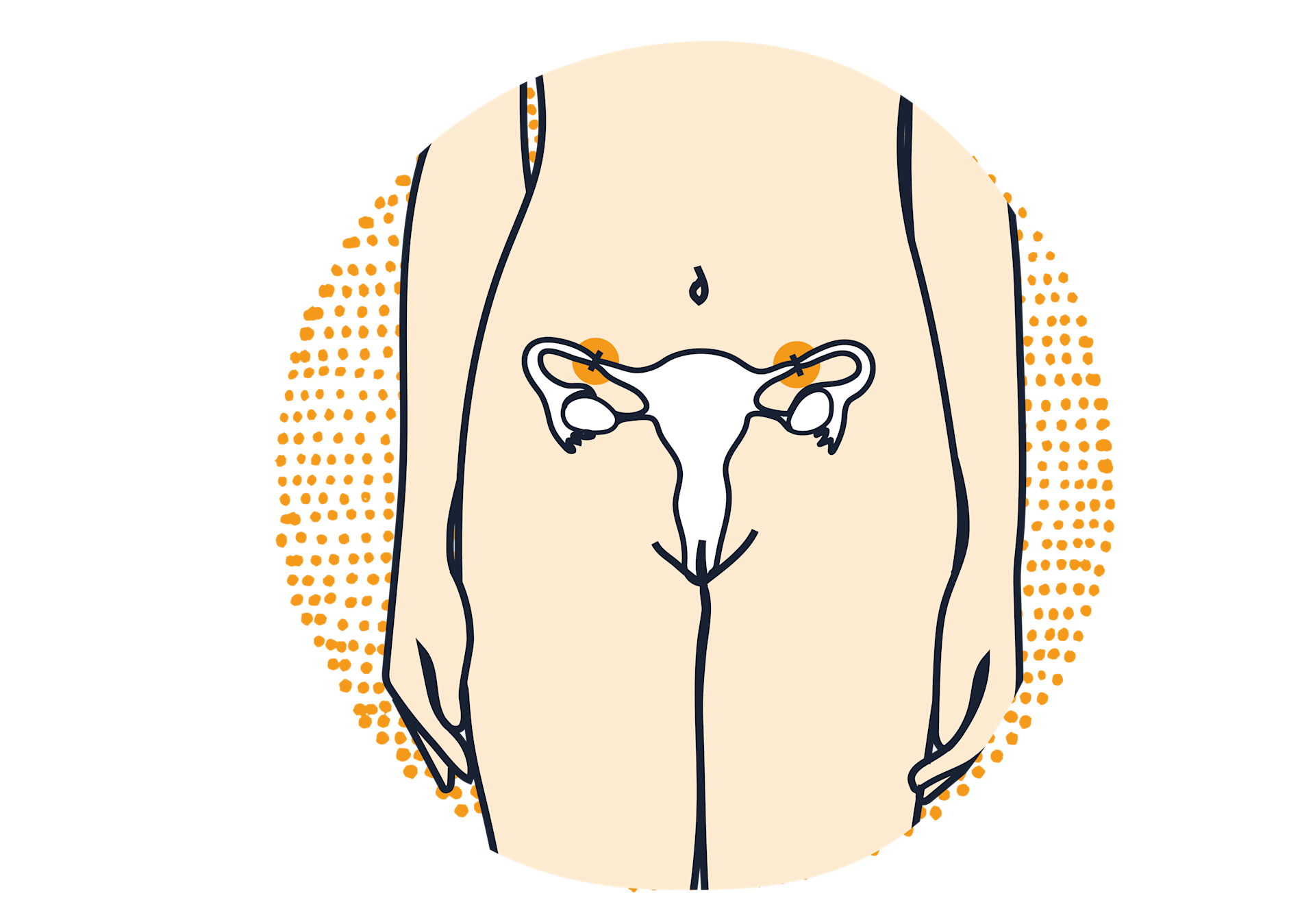
Sterilisation involves a procedure to place metal clips on the fallopian tubes to stop sperm from reaching an unfertilised egg. It’s very effective but slightly less effective than long-term methods such as the implant and the IUD.
Although it’s reversible, the clips may damage your tubes and pregnancy may not be possible in the future.
frequency: fit and forget
effectiveness: over 99%
STI protection? no
periods: no change

Sterilisation is a very effective method of contraception but is less popular than it used to be now that other long-term methods are available. It’s a good option if you’re sure that you don’t want future pregnancies and are willing to have an operation.

There are different sterilisation methods, but 85% involve a minor operation to put clips on the fallopian tubes. These clips then stop sperm from reaching an egg after ovulation.
As you’ll need minor surgery under general anaesthetic, there’s a small risk of complications, as there is with any operation. There’s also a rare chance of ectopic pregnancy, even many years after sterilisation.
You’ll need a referral to a gynaecologist from either your GP or local sexual health clinic. You’ll then have a pre-operation counselling session. If you have a partner, they can also attend the meeting.
Do you need help with something else?
Find sexual health services near you